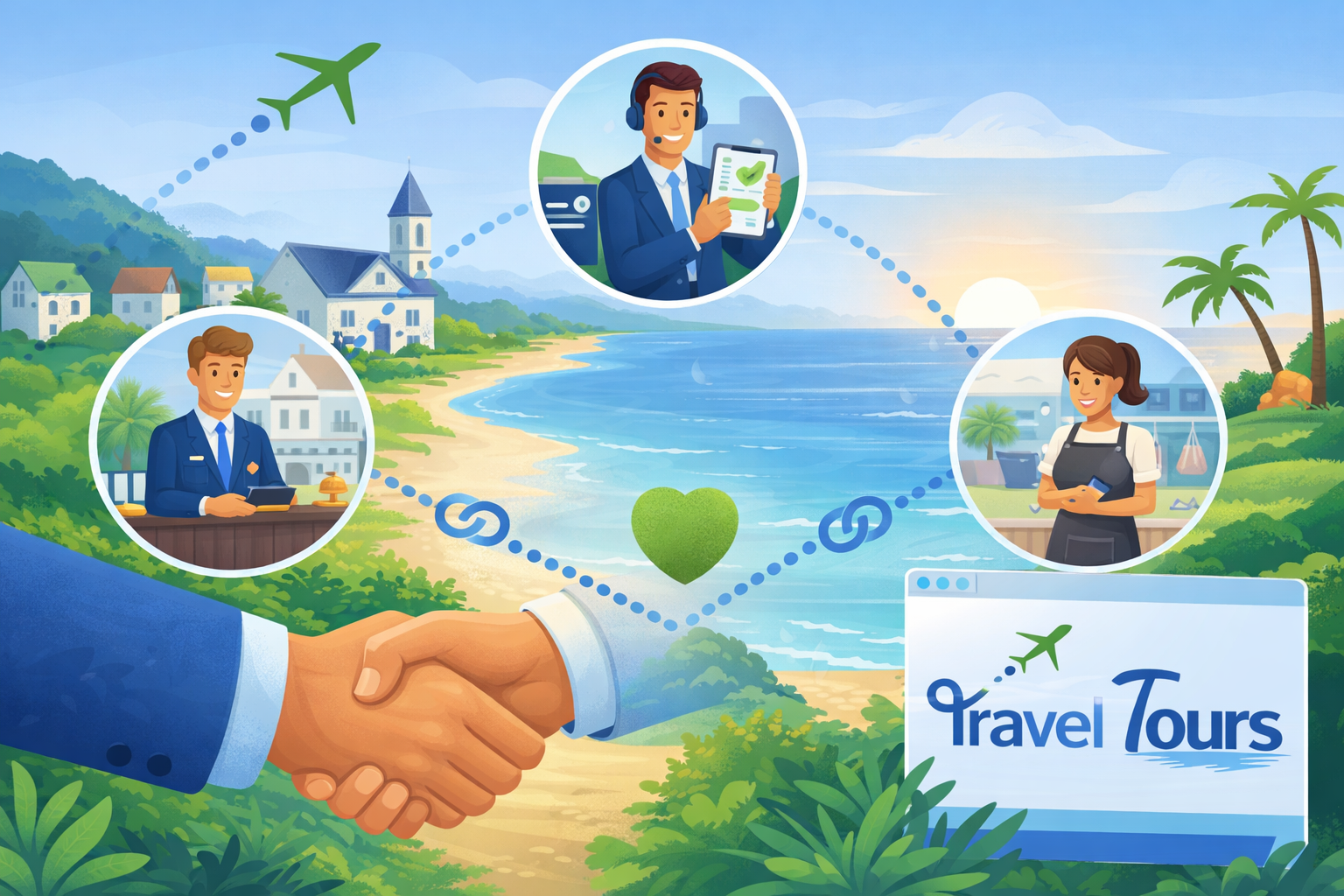
Travel buyers trust people who know the destination. A well-chosen local partner can place your tours in front of guests at the moment they decide what to do next. That same relationship can earn a link from a credible local site, which lifts visibility across search results over time.
Local partnerships for tour operators suit operators who want steady demand, not spikes. The best collaborations create a loop of referrals, content, and proof that keeps working after the peak season ends.
Why Local Partners Beat One-Off Ads
Paid campaigns can fill a short gap, yet most tour brands feel the same squeeze on margins. Referral-led demand tends to cost less per booking and it often arrives with higher intent. Guests trust a front-desk recommendation more than a banner they scrolled past.
A partnership plan also reduces platform risk. When algorithms change, relationships still send customers. Here are the business reasons these alliances merit a place in your growth plan.
Higher Trust At The Point Of Choice
Front-line staff hear guest questions all day. Their answers shape what travellers book and when they book it. A partner who knows your product can direct the right guest to the right tour.
Better Unit Economics Over A Full Season
Referral fees and commissions stay predictable. Ad costs can climb fast during school holidays and event weeks. A stable referral channel protects profit when demand heats up.
Links That Support Long-Term Demand
A mention on a hotel page or a visitor guide can include a link to your booking page. Search engines treat those signals as a vote of confidence. Over time, that supports discoverability for travellers who plan in advance.
Partner Types That Send Real Bookings
Not every local contact will fit your brand. Some groups send volume with low conversion, and others send fewer leads that book at a higher rate. A short list of partner types can cover most destinations.
These are the partner categories that tend to produce both referrals and links.
Local Partners That Fit Most Itineraries
- Hotels and resorts: Staff can recommend you at check-in and they can feature your tours on a concierge page. Guests book faster when the tour solves a gap in their stay plan.
- Visitor centres: These teams serve travellers who arrive with open days on the calendar. A listing on a centre website can stay live for years and keep sending intent-led traffic.
- Tourism boards and DMOs: Destination organisations publish guides that rank well and they often welcome quality operators. A featured listing can add authority and lift brand credibility with new audiences.
- Attractions and venues: Museums, galleries, and event spaces can bundle tickets with your experience. Cross-promotion works well when timing and transport align.
- Transport providers: Shuttle firms, car hire desks, and ferry operators speak to guests who already plan logistics. A shared offer can turn a commute into a paid experience.
- Local creators: Photographers, videographers, and niche bloggers can show what the tour feels like. Their content can drive demand when it links back to a clear booking page.
A Pitch That Partners Say Yes To
Partners say yes when the offer reduces their work and protects their reputation. A generic “let’s collaborate” message rarely lands. A tight pitch shows who the tour suits, what the partner earns, and how the guest wins.
The following steps keep outreach clear and fast.
Start With The Guest Problem You Solve
Partners care about guest satisfaction. Lead with a problem the partner hears often, such as “What can we do in three hours?” or “We want something family friendly.” A clear match makes the referral feel safe.
Offer A Simple Commercial Model
Many partners prefer a flat commission per booking. Some favour a unique code that tracks revenue. Keep terms short and state when payouts happen.
Provide Assets That Make Sharing Easy
A partner should not need to write copy from scratch. Provide a short description, three images, and a direct booking link. Strong web design on your booking pages improves conversion once the partner sends traffic, so make that page feel polished and mobile ready with clear pricing and inclusions.
Put Compliance And Service Standards In Writing
Tour brands that manage risk win better partners. Share your cancellation policy, insurance position, and safety standards in plain language. A partner can then recommend you with confidence.
Build A Two-Way Plan
Offer to promote the partner on your site, in email, and on social. A two-way plan keeps the relationship balanced. It also creates more places for credible mentions, which supports SEO without a heavy technical lift.
Turn Partnerships Into Pages And Proof
A referral relationship works best when it leaves a trail of evidence online. That evidence includes links, reviews, and content that answers common questions. It also gives you new material for campaigns when you do run paid activity.
Here are the ways to turn each collaboration into durable marketing assets.
Create A Partner Hub On Your Site
Build a page that lists trusted local partners and how they fit specific itineraries. Include short blurbs and a link back to each partner as a goodwill signal. Partners often reciprocate when they see the relationship featured.
Publish Co-Branded Itinerary Content
A “two-day itinerary” or “weekend plan” can include your tour and partner experiences. Each partner can share the page with their audience. That creates a network of referral traffic that supports your brand year-round.
Collect Social Proof In The Right Places
Ask partners to share a short quote about what guests love. Place that quote near the booking call to action. Reviews and testimonials reduce hesitation for travellers who compare options late at night.
Use A Simple Tracking Stack
Use unique links or codes for each partner. Track enquiries, bookings, and average order value by source. That clarity shows which relationships deserve more attention.
Tie Partnerships Into Your Core Channels
Send partner highlights through email marketing so past guests see new options for their next trip. Share co-created stories through social media marketing so followers see local credibility, not just promo posts. Keep a focus on quality and clarity, then your organic work can build around pages that already convert.
Conclusion
A strong local partner network offers a practical path to more bookings and stronger visibility. The best relationships send guests who trust the recommendation and they earn links that support future discovery. A short partner shortlist, a clear pitch, and a plan for content and tracking can turn local connections into a dependable growth channel.