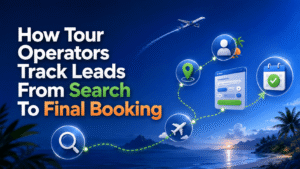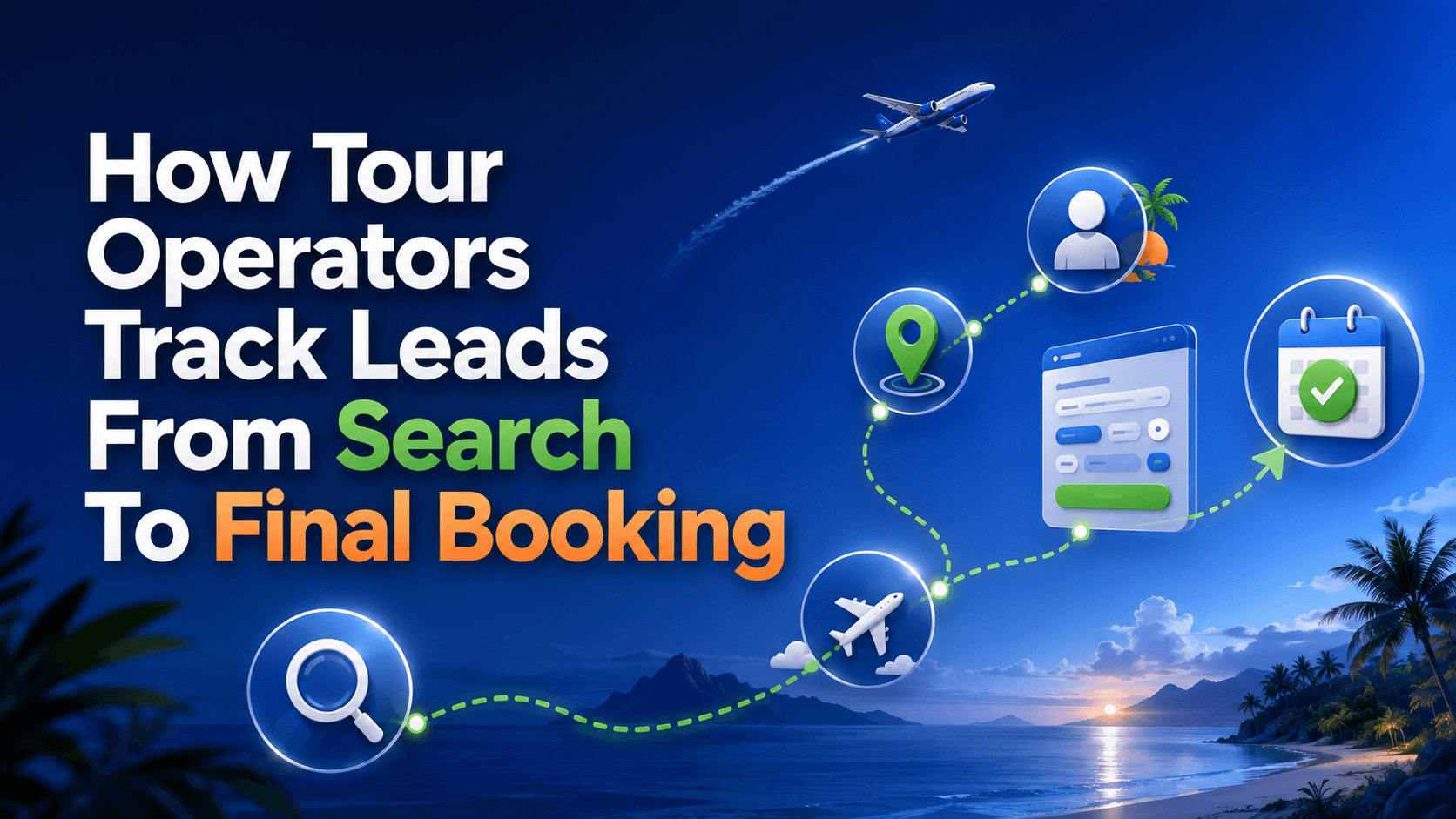
A traveler may discover a tour through Google, watch a social video, read reviews, and join an email list before reserving. That journey can span months for higher-priced trips and group experiences.
Lead tracking connects interactions with inquiries and bookings. It identifies channels that introduce travelers, pages that encourage action, and campaigns that contribute to revenue. This data supports budgeting and content planning.
Map The Journey From Discovery To Revenue
Define the stages a traveler completes before the tour. A practical journey may include:
- Tour or destination page viewed
- Inquiry form submitted
- Phone call or live chat started
- Availability checked
- Reservation started
- Deposit or full payment received
- Booking confirmed
- Tour completed
Traffic indicates visibility. Inquiries indicate interest. Confirmed bookings connect that interest with revenue.
| Journey Stage | Information To Capture | Question It Answers |
|---|---|---|
| Discovery | Source, campaign, keyword, landing page | How did the traveler find the tour? |
| Research | Pages viewed, itinerary, dates, pricing | What information shaped interest? |
| Inquiry | Form, call, chat, requested tour | What encouraged direct contact? |
| Reservation | Package, date, guests, booking value | Which leads became customers? |
| Completion | Final revenue, add-ons, repeat interest | What value did the booking produce? |
Give Every Lead A Clear Source
Use a standard source field across forms, booking software, call records, and customer management tools. Labels such as Organic Search, Google Ads, Instagram, Email, Referral, and Direct keep reports readable.
Organic Search
Google Search Console can identify queries and pages receiving impressions and clicks. Website analytics can record actions. Effective SEO for travel and tour operators should connect visibility with tour-page visits, inquiries, availability checks, and reservations.
Record each organic lead’s first landing page to identify productive destination guides, tour pages, local searches, and trip themes.
Paid Advertising
Advertising platforms can measure impressions, clicks, and conversions. Booking data reveals inquiries, deposits, and reservations attached to each campaign.
Structured paid advertising for travel businesses can separate campaigns by destination, traveler type, season, or package. Tracking shows which messages and audiences generate valuable bookings.
Social Media
Use trackable links in profiles, stories, posts, videos, and campaigns to identify the platform and content behind each visit.
Measure social media marketing for travel businesses through website visits, itinerary views, inquiries, reservation starts, and confirmed bookings. Save direct-message leads with a clear social source.
Email Marketing
Email campaign links should identify the message, audience segment, destination, and offer behind each visit.
Evaluate email marketing for travel businesses through clicks, return visits, availability checks, reservations, and booking value. Record the campaign connected with an inquiry or purchase.
Make The Website The Measurement Hub
The website is where channels meet and travelers take measurable actions. Conversion-focused travel website design can support analytics events, inquiry forms, call buttons, booking tools, availability, and payments.
Track important website actions such as:
- Phone number clicked
- Inquiry form completed
- Availability calendar opened
- Reservation process started
- Deposit submitted
- Booking completed
Use confirmation pages to record successful inquiries and reservations. Create events for interest, strong intent, and completed purchases.
Forms can capture destination, dates, party size, selected tour, budget, and discovery source. Connect every field to a sales or planning need.
Use Consistent Campaign Parameters
Campaign parameters identify the origin of visits from social posts, newsletters, partner links, advertisements, and seasonal promotions.
A simple naming format may include:
- Source: instagram
- Medium: organic-social
- Campaign: winter-northern-lights
- Content: guide-video
Store naming rules in a shared document. Consistent spelling and capitalization keep each campaign under one label.
Create Lead Statuses That Match Reservations
Move every inquiry through defined statuses in a booking platform, customer management system, or spreadsheet:
- New inquiry
- Awaiting traveler details
- Quote or itinerary sent
- Follow-up scheduled
- Reservation started
- Payment requested
- Booking confirmed
- Tour completed
- Closed
Record a closing reason, such as price, dates, group size, tour fit, missing response, or capacity. These patterns can guide content, package details, campaigns, and follow-up.
Define A Qualified Travel Lead
A qualified lead provides enough information to assess fit and availability. The traveler matches the destination, package, price range, dates, and booking requirements.
Build a qualification checklist around:
- Desired destination or experience
- Travel dates and flexibility
- Number and ages of travelers
- Budget range
- Readiness to reserve or pay a deposit
Use the same checklist across every channel for consistent evaluation.
Measure The Numbers Closest To Revenue
Track these measurements monthly:
- Inquiry Conversion Rate: inquiries divided by website visitors
- Qualified Lead Rate: qualified leads divided by inquiries
- Reservation Rate: confirmed bookings divided by qualified leads
- Cost Per Qualified Lead: campaign spend divided by qualified leads
- Customer Acquisition Cost: marketing spend divided by new customers
- Average Booking Value: booking revenue divided by confirmed reservations
- Revenue By Source: completed-booking revenue assigned to each channel
Review results by destination, package, source, campaign, and landing page. These views can reveal strong markets, weak booking stages, and profitable traveler segments.
Save The First And Final Known Sources
Save the first known source that introduced the operator and the final known source connected with the inquiry or reservation.
First-source data shows where discovery began. Final-source data identifies the last measurable step before action. Together, they show how search, ads, social media, email, referrals, and direct visits contribute.
Review Lead Data Every Month
A monthly review should answer these questions:
- Which sources produced qualified travelers?
- Which campaigns generated confirmed bookings?
- Which landing pages influenced reservations?
- Where did potential customers leave the process?
- Which destinations attracted strong demand?
Use the answers to update a tour page, clarify pricing, shorten a form, adjust a campaign, revise follow-up timing, or strengthen a booking step.
Turn Tracking Into More Confident Decisions
Reliable lead tracking clarifies the path from discovery to completed travel. It requires defined stages, consistent campaign names, trackable actions, accurate statuses, and connected revenue.
Begin with existing systems and maintain accurate information. Complete records reveal productive channels, valuable audiences, and booking stages that need attention. Those insights support stronger investments and a smoother reservation path.