Tour operators work hard to bring travelers to their websites. A visitor may read an itinerary, check availability, compare dates, look at photos, review pricing, and then leave without booking. That does not always mean the traveler lost interest. They may need to talk to family, compare flights, check time off, or wait until payday.
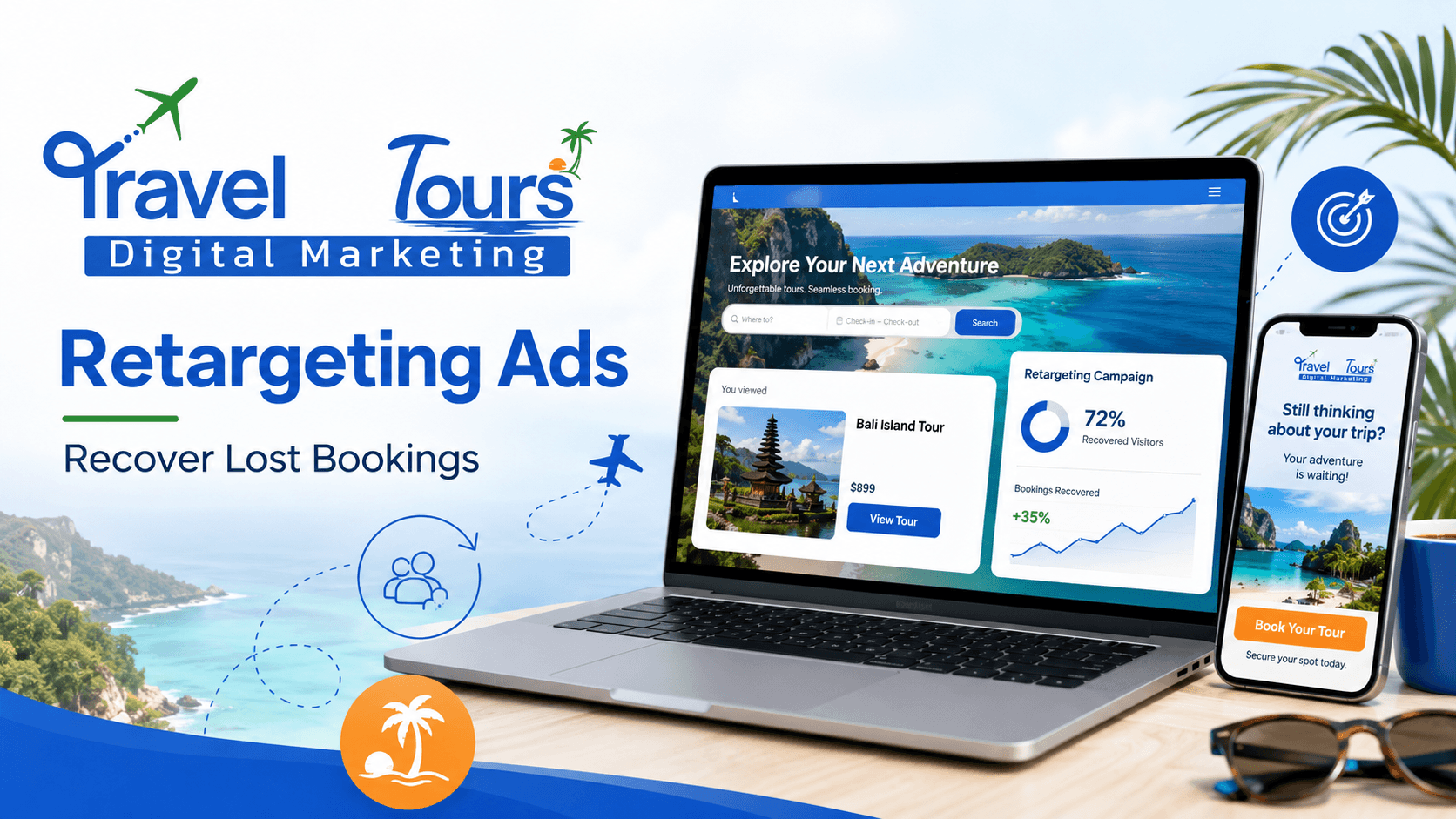
Retargeting ads help bring those interested travelers back. Instead of only chasing brand-new visitors, tour operators can reconnect with people who already showed intent. These ads can remind them of the tour they viewed, answer hesitation points, highlight reviews, or encourage them to finish booking before spots fill.
For travel brands, retargeting works best when it feels helpful, visual, and timely.
Why Lost Bookings Happen
Travel decisions are rarely instant. A customer may love the tour but need more confidence before they commit. Price, schedule, group size, cancellation terms, destination questions, and trust all play a role.
Many lost bookings happen because the traveler gets distracted during the decision process. They may leave the site after browsing and never return unless something brings them back.
Retargeting gives tour operators a second chance to stay visible after that first visit.
Retargeting Opportunities At A Glance
| Visitor Behavior | What It Means | Retargeting Message Idea |
|---|---|---|
| Viewed A Tour Page | Interest in a specific trip | Show itinerary highlights |
| Checked Pricing | Strong buying intent | Mention value and inclusions |
| Started Booking | Near conversion | Remind them to finish |
| Viewed Reviews | Looking for trust | Show guest testimonials |
| Visited Date Pages | Planning around availability | Promote open trip dates |
| Read FAQs | Needs reassurance | Answer common concerns |
What Retargeting Ads Do
Retargeting ads show messages to people who have already visited your website or interacted with your brand online. These ads can appear on platforms like Google Display Network, YouTube, Facebook, Instagram, and other ad placements depending on campaign setup.
The goal is not to annoy travelers. The goal is to guide them back at the right moment with a message that matches what they already viewed.
A person who viewed a Grand Canyon tour should not receive the same ad as someone who looked at a multi-day European itinerary. Better targeting creates better relevance.
Start With Strong Website Tracking
Retargeting needs clean tracking before ads can work properly. Tour operators should understand which pages visitors viewed, how far they moved through the booking process, and where drop-offs happen.
Important actions to track include:
- Tour page views
- Itinerary page views
- Pricing page views
- Availability checks
- Booking form starts
- Booking form drop-offs
- Contact form submissions
- Phone clicks
- Email clicks
Tracking also helps prevent wasted ad spend. For example, a traveler who already booked should move into a different audience, such as pre-trip reminders or post-trip review requests, rather than seeing ads asking them to book the same tour again.
Build Audiences Based On Intent
The strongest retargeting campaigns group visitors by behavior. A broad “all website visitors” audience can still work, but it usually lacks the precision needed for travel bookings.
Tour Page Visitors
These users showed interest in a specific destination, activity, or trip type. Ads should feature the exact tour or a closely related option.
Booking Abandoners
These are high-value visitors because they began the booking process. Ads can remind them that their trip is still available, highlight flexible booking terms, or invite them to finish their reservation.
Pricing Page Visitors
These visitors may be comparing value. Ads can focus on what is included, guide expertise, small group size, safety, comfort, or guest experience.
Blog Readers
Blog readers may be earlier in the planning process. They may respond better to destination guides, trip planning resources, or soft calls to explore available tours.
Match The Message To The Traveler
Retargeting ads should feel connected to the traveler’s previous action. Generic ads often fade into the background. Specific ads feel more relevant.
A traveler who viewed a whale watching tour might see:
- “Still Planning Your Whale Watching Trip?”
- “See Available Dates For This Season”
- “Join A Guided Tour With Local Experts”
- “Limited Morning Departure Times Available”
A traveler who started booking might see:
- “Finish Reserving Your Spot”
- “Your Tour Date May Still Be Available”
- “Complete Your Booking In Minutes”
The message should reduce friction and make the next step clear.
Use Visuals That Bring The Trip Back To Life
Travel retargeting needs strong imagery. People are not only buying transportation or a time slot. They are imagining an experience.
Use visuals that show:
- The destination
- The activity
- Real travelers enjoying the tour
- Guides in action
- Scenic views
- Wildlife or landmarks
- Comfortable transportation
- Small-group moments
Good visuals remind the traveler why they were interested in the first place.
Improve Landing Pages Before Spending More
Retargeting can bring people back, but the landing page still needs to convert them. If the page is slow, confusing, hard to use on mobile, or missing key trust signals, ads may only send visitors back to the same problem.
A strong tour landing page should include:
- Clear tour name and location
- Strong photos or video
- Easy-to-read itinerary
- Pricing and inclusions
- Availability or booking button
- Reviews and social proof
- Cancellation or refund details
- FAQs
- Mobile-friendly design
This is where strong web design supports paid campaigns. A cleaner website gives retargeting traffic a better chance to turn into actual bookings.
Combine Retargeting With Organic Search
Retargeting works even better when the first visit comes from high-intent search traffic. A traveler who searches for a specific tour, destination, or activity is often closer to booking than someone who casually saw a social post.
Organic search can fill the top of the funnel with better-fit visitors. Retargeting can then bring those visitors back after they leave.
Strong SEO for travel tour operators helps attract travelers who are already researching destinations, itineraries, and booking options. Retargeting keeps the brand visible while they compare choices.
Retargeting Campaign Ideas For Tour Operators
Abandoned Booking Reminder
Target visitors who started booking but did not finish. Keep the message short and direct.
Example: “Still Interested In Your Tour Date? Finish Booking Before Spots Fill.”
Review-Based Trust Campaign
Target people who viewed key tour pages but did not book. Show guest ratings, testimonials, or review snippets.
Example: “Travelers Love This Small-Group Tour.”
Seasonal Urgency Campaign
Target visitors who viewed seasonal tours, like whale watching, fall foliage, holiday markets, ski shuttles, or summer adventure trips.
Example: “Peak Season Dates Are Filling Fast.”
Destination Reminder Campaign
Target travelers who visited pages for a specific location. Use destination imagery and a direct booking path.
Example: “Your Sedona Adventure Is Waiting.”
FAQ Reassurance Campaign
Target people who viewed FAQ pages, cancellation terms, or safety information. Address confidence issues.
Example: “Flexible Booking Options Make Trip Planning Easier.”
Keep Frequency Under Control
Retargeting can become annoying if travelers see the same ad too many times. Frequency caps help control how often ads appear.
A strong campaign respects the traveler’s decision process. If someone does not return after several impressions, the message may need to change, or the audience window may need to expire.
Common audience windows include:
- 7 days for booking abandoners
- 14 to 30 days for tour page visitors
- 30 to 60 days for destination researchers
- Shorter windows for seasonal or limited-date tours
The timing should match the buying cycle.
Measure The Right Results
Retargeting performance should be measured by more than clicks. A campaign can get cheap clicks and still fail to create bookings.
Track metrics such as:
- Booking completions
- Cost per booking
- Return on ad spend
- Booking form recovery rate
- Assisted conversions
- View-through conversions
- Revenue from retargeted visitors
Working with paid ads for travel tour operators can help connect campaign setup, audience strategy, creative testing, and booking data in one clearer system.
Final Thoughts On Retargeting Lost Travel Bookings
Retargeting ads help tour operators recover bookings that might otherwise disappear. Many travelers leave because they need time, reassurance, or a reminder, not because they are no longer interested.
The best campaigns are specific, visual, respectful, and connected to real traveler behavior. When retargeting is supported by strong tracking, clear landing pages, search visibility, and smart ad management, it can turn lost interest into confirmed reservations.