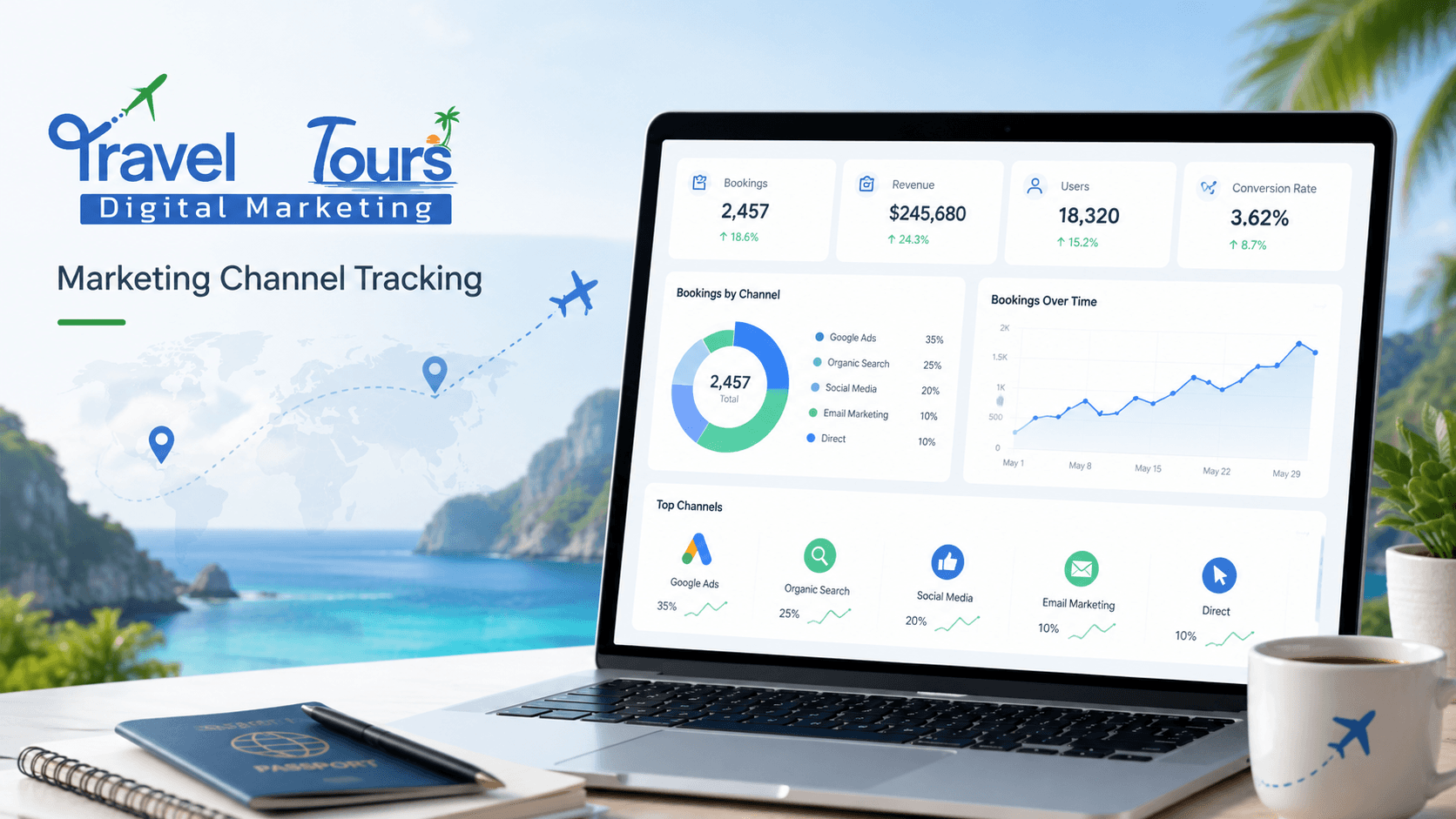
Travel marketing can look busy long before it becomes profitable. A tour company may see traffic from Google, paid ads, social media posts, email campaigns, referral partners, review sites, and direct visits. The inbox may be active. Phone calls may be coming in. The booking calendar may show movement.
The real question is simple: which channels are actually creating bookings?
Without clean tracking, a travel brand can mistake attention for demand. A campaign may bring many visitors, then confirmed bookings may come from email follow-ups, organic search, or return visits from people who needed more time.
Why Channel Tracking Matters For Travel Brands
Travelers rarely book from one touchpoint. They compare destinations, read reviews, scan photos, check dates, ask questions, and come back later. A traveler may find a tour through search, follow the brand on Instagram, open two emails, then call to book a private trip.
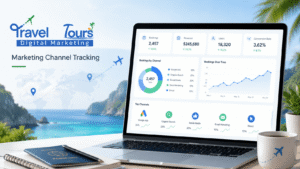
Channel tracking shows which sources bring qualified visitors, which pages influence bookings, which campaigns create calls, and which messages help undecided travelers move forward. The goal is smarter planning, cleaner reporting, and stronger booking decisions.
Define The Booking Actions That Count
Before tracking channels, define the actions that matter most to the business. Travel bookings do not always happen through a checkout page. Some travelers call. Some request a quote. Some submit a group trip form.
Common booking actions include:
- Completed booking forms
- Quote requests
- Phone calls from the website
- Clicks on booking buttons
- Email signups
- Itinerary requests
- Live chat conversations
- Return visits to tour pages
These actions help separate casual browsing from real interest. A channel with fewer visitors and more quote requests may be more valuable than a channel with high traffic and little action.
Build Tracking Into The Website
The website is usually the center of the booking path. If tracking is weak there, channel reports become unreliable.
A strong travel website design setup should support tracking from the start. Booking buttons, forms, tour pages, destination pages, and confirmation pages need to be easy for visitors to use and easy for the business to measure.
Website Tracking Checklist
- Track every booking form
- Use thank-you pages after form submissions
- Track clicks on phone numbers
- Track booking button clicks
- Test mobile forms separately
- Check tracking after website updates
Small technical gaps can hide booking activity. A missed form event can make a strong campaign look weak. A phone number with no tracking can hide high-value calls.
Use UTM Links For Campaign Clarity
UTM links help identify where visitors came from. They are useful for email, paid campaigns, social posts, partner promotions, and seasonal campaigns.
A simple UTM structure can track source, medium, campaign, and content. For example, a summer hiking tour email may have one link for the main button and another for a featured itinerary.
| Channel | Useful UTM Source | Useful Medium | Campaign Example |
|---|---|---|---|
| Email Newsletter | newsletter | summer_tours | |
| Facebook Ad | paid_social | fall_getaway | |
| Instagram Bio | social | profile_link | |
| Partner Site | partnername | referral | local_hotel |
| Google Ad | cpc | private_tours |
Keep naming simple and consistent. If one person labels a campaign “spring-break” and another labels it “spring_break,” reports can split the data into separate rows.
Connect SEO To Booking Quality
Search traffic can be powerful for travel brands, especially when visitors are looking for a destination, tour type, itinerary, or travel question. Rankings alone do not show business value.
With SEO for travel and tour operators, tracking should connect organic traffic to form fills, calls, return visits, and booking actions. Look at which destination pages bring strong inquiries. Review which blog posts assist later decisions. Watch for search topics that create poor-fit traffic.
This gives your team a better content plan. It also helps show which pages deserve updates, stronger calls to action, or more internal links.
Measure Paid Ads By Lead Quality
Paid ads can create fast visibility for seasonal tours, destination campaigns, and limited availability trips. Clicks alone can be misleading. A campaign needs to be judged by the quality of the leads and bookings it creates.
For paid ads for travel brands, track landing page visits, form fills, calls, booking starts, booking completions, and cost per qualified lead. If phone calls are important, use call tracking numbers that connect calls to campaigns.
Track Social Media As A Trust Channel
Social media often influences travelers before they are ready to book. A person may see tour photos on Instagram, watch a short video, check comments, visit the website, leave, and return later.
Strong social media marketing for travel brands should connect inspiring content to clear next steps. Use UTM links in bio links, stories, paid posts, partner posts, and seasonal promotions. Track profile traffic, website clicks, message volume, saved posts, and booking page visits.
Track Email As A Booking Recovery Tool
Email is often where undecided travelers become ready. Someone may join a list after reading about a destination, then book weeks later after receiving a seasonal offer or helpful itinerary.
With email marketing for travel agencies and tours, track more than opens and clicks. Look at which emails lead to quote requests, tour page visits, booking starts, and return bookings.
Add Sales Context To The Numbers
Analytics tools can show what happened. Your booking team can explain why it happened.
A paid search lead may look expensive until the team confirms it was a high-value group trip. A social inquiry may seem casual until it becomes a private tour. A form submission may look strong until the team sees it came from someone outside the service area or budget range.
Track lead notes in your CRM or booking system:
- Source
- Tour interest
- Trip value
- Lead quality
- Booking status
- Reason for lost booking
This gives reports a human layer. It also helps marketing and sales learn from the same information.
Final Thoughts On Travel Marketing Tracking
Tracking marketing channels is about seeing what leads to real bookings, not creating longer reports. Start with the booking actions that matter. Build clean tracking into the website. Use UTM links. Measure SEO, paid ads, social media, and email against real lead quality.
When tracking is clear, travel brands can spend with more confidence, create better content, and focus on the channels that bring travelers closer to booking.